NOISE - Nodes of Influence, Spheres of Exchange
NOISE is a digital research environment for exploring the actors, organisations, and connections that structured Anglo-Swiss commercial relations from the late nineteenth to the mid-twentieth century. Centred on the British Chamber of Commerce for Switzerland, the project brings together trade indexes, membership records, advertisements, diplomatic personnel, blacklist records, and related sources from the Swiss Economic Archives (SWA) and the Swiss Federal Archives to reconstruct commercial and institutional relationships across organisations, regions, and periods.
The underlying corpus contains more than 117,000 source-level instances consolidated into over 7,700 historical entities. By connecting repeated references to companies and persons across heterogeneous sources, NOISE makes it possible to trace individual actors, institutional affiliations, geographical distributions, commercial classifications, and networks that remain fragmented within the archival record. The platform combines searchable research data, digitised source material, interactive visualisations, and documented data-processing workflows, keeping reconstructed relationships directly connected to the historical evidence from which they derive.

Search the Corpus
Explore individual source instances and consolidated entities across the NOISE corpus, tracing actors, organisations, and connections across datasets.
Datasets
Browse the individual datasets that make up the corpus, including their historical scope, source basis, and documented contents.
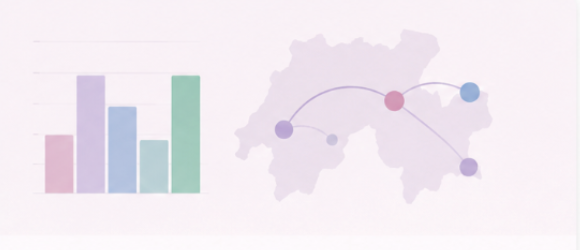
Visualisations and Showcases
Discover selected parts of the corpus through interactive maps, network visualisations, statistical overviews, and curated showcases.
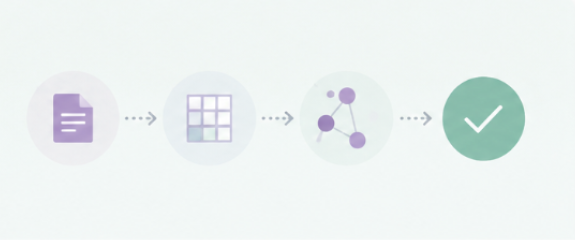
Data Curation
Learn how the corpus was built through human-supervised workflows of extraction, normalisation, validation, and entity resolution.
The website provides access to the database through the Search interface, documents the individual datasets and their sources, and presents selected material through interactive Showcases. These sections connect structured records, reconstructed entities, source documentation, visualisations, and the underlying historical material.